
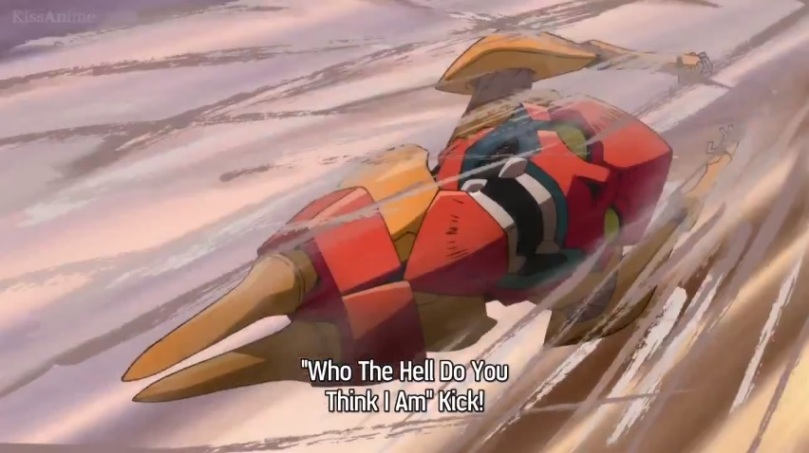
Whenever we make a chance to the core rules (specifically anything before the advanced tactics section) we do a version update. For VER 9.3 the change was relatively small in the text but fairly large on the tabletop. We changed how [CC] weapons work, converting them over to the Push/Pull weapon profile established in a previous update and what’s more we allowed them to knock your foe out of melee before they can counterattack.
Now that’s a big change!

Push / Pull weapons were established in a previous update as a way to give a bit more interaction between units. This way units that were larger or heavier (with the Slow and Laborious trait) would be harder to move. We did this by having all the Push / Pull weapons work based off of a Saving Throw with modifiers from your Size stat for instance. Each failed Save would push or pull the target a set distance. This way if you hit the target 3 times with your Windmill Gundam’s Nether Typhoon, and they fail 2 saves they will be pushed twice.
We adjusted the push distance to be 3″ per failed Save. This way it works well with engagement ranges for both small figures (4″) and large figures (6″) since it requires a minimum of two failed saves to knock the target out of engagement range.
Now when we applied this system to Close Combat [CC] weapons it opens a lot more options for you in melee combat. Some units are extremely good in melee, even on Defense so we wanted to provide an option for someone who wants to attack and potentially get away unscathed. Should they go all in on attack with a [CC] weapon and the enemy fails 2+ Armor Saves then they have knocked their opponent out of engagement range and prevents them from Counterattacking.

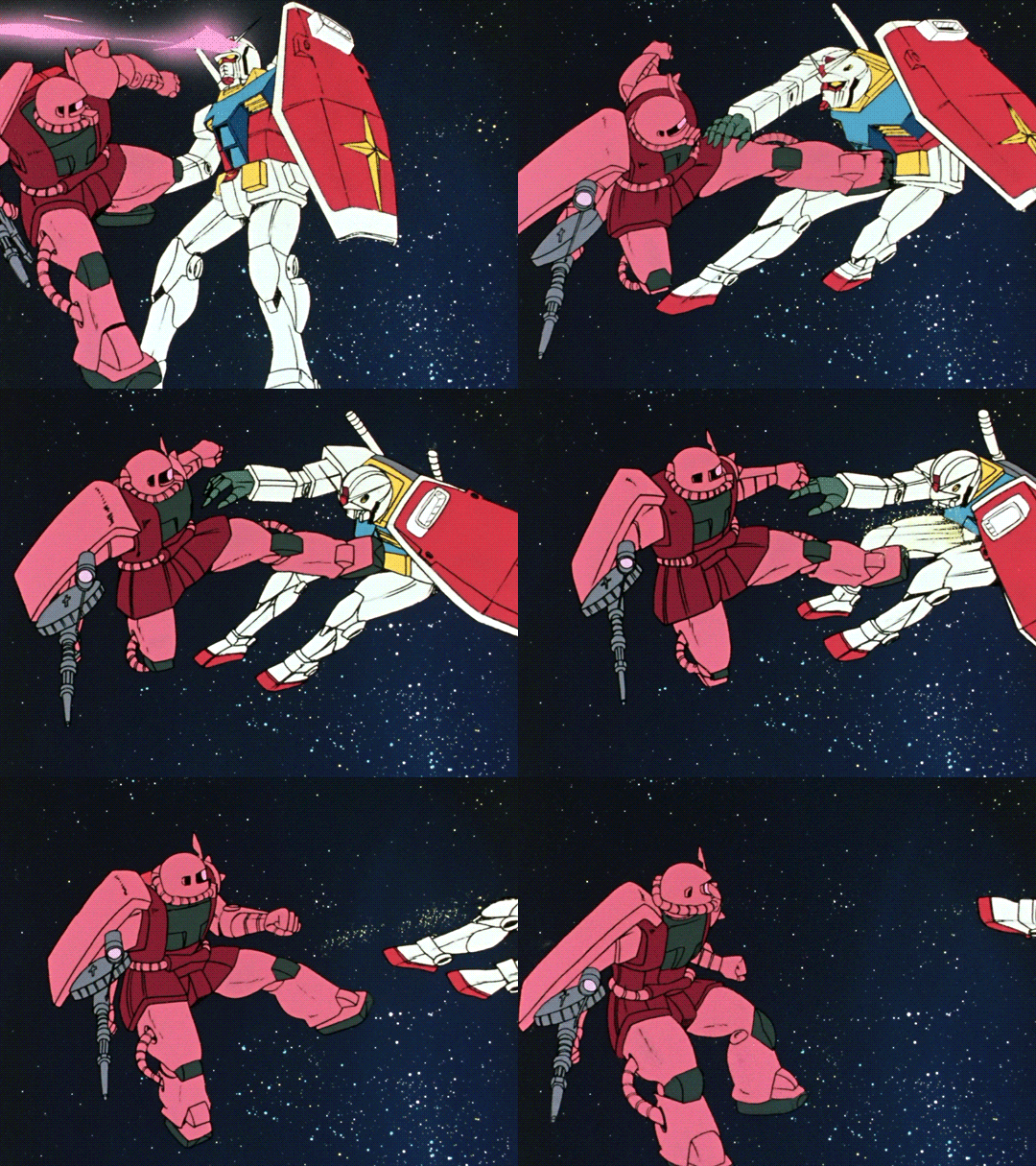
Another great benefit is that it gives you a reason to use a Close Combat [CC] weapon instead of your primary melee weapon. This way you can reenact Char kicking Amuro, or Ramba Ral doing the same later on. It’s a fun way to dish out some early damage without having to deal with the consequences of a beam saber counterattack.
Since we’ve moved the knockback rules out of the SRW Module into the core rules it also opens up other avenues of damage for the average super robot who only uses their fists to knock their opponent into terrain and do further damage. Speaking of we also used this update to streamline the SRW Module.
SRW Module
The SRW Modules is one of our favorite optional modules to play. One thing we hear often from other Super Robot players is that while they like the concepts in the module, there is a lot to remember. So, our first goal for this module was to streamline it and make it easier to remember. Since any good optional module should add something fun to your game but not burden you with an excess of things to remember.

First thing we did was look at the bonuses given to the Real Robots, Super Robots and Warships then decide which of the bonuses here were most important / most iconic. For Warships we retained the Charged & Ready ability that way your favorite warship starts with several weapons ready to fire in Round 1.
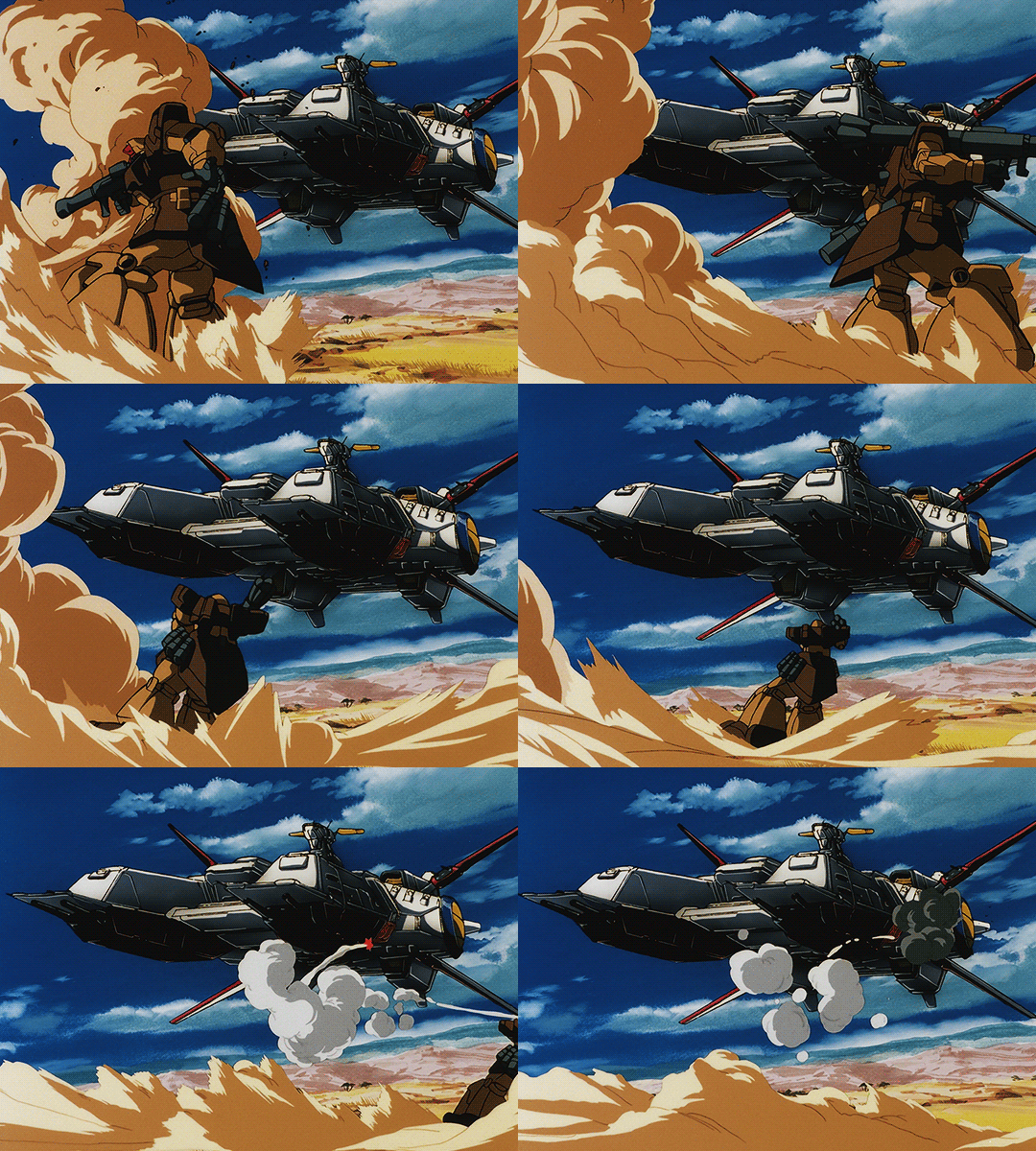
For Real Robots we went with the movement bonuses which were the most heavily used in the module, we also increased the bonus the work better for very high movement units like a Dom or the Tallgeese.
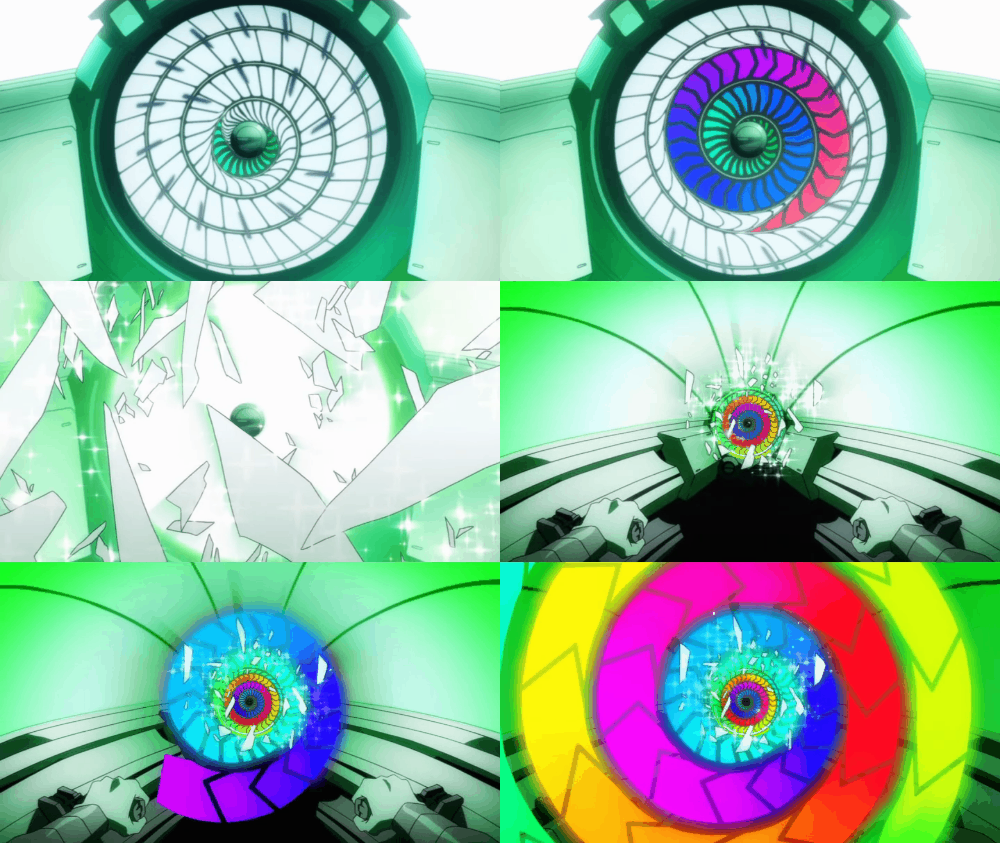
For Super Robots we went with Fearless which would give either a bonus Momentum or a chance to rally and recover HP as long as they are not behind Cover. From a gameplay perspective if a unit does not have a shield it is always beneficial to be in Cover instead, so we wanted to include a mechanic that would reward Super Robots for playing like Super Robots, being brave and standing out in the middle instead of hiding behind cover. We also retained the ‘down but not out’ ability since it’s a fun one but a rare event when it occurs.

Movement Rules
Based on feedback Redline was adjusted to replace the Full Throttle action to prevent alpha strikes. We did however keep an optional mode where if both players agree they can keep it as a free action.
The movement gimmick formerly called “High Impact Melee” which was meant to represent clashing with your beam sabers in space and then breaking away, or for super robots to simply hit your opponent and knock them away, has been replaced and reconceptualized. While it was a fun gimmick the first thing we did was limit it to Challenges only, that way it doesn’t come up as often but is very fun when it does.
The second change was to have the movement gimmick switch to a movement system where the two opponent’s circle each other which we thought would be more fun than a simple staightline knockback / disengage which is already covered by different systems. So we went with a simple clockface analagy where after both parties finish melee they move to opposite numbers on a clockface while facing each other. The attacker chooses the first number which allows for opportunities with positioning if you’re playing as a villain you can force your opponent to show their back to another of your units.

Victory Points
Last but not least we overhauled the Victory Point system for the SRW Module. Since we wanted it to be more like its namesake as a Super Robot Wars module we wanted to offer some more tactical objectives while playing besides simply destroying the opponent. We gave them new secondary objectives specific for small games.
At first we had reutilized some VP mechanics from other game modes in the Wargame rules but realized we wanted something a bit different, and most importantly easy to remember, so each VP option would have to score at the end of the Round.
For instance, the previous draft of the Destruction secondary used to score VP every time you did 1000+ DMG to a target in a turn, a fun mechanic, but it could be forgotten while playing the game and would be a pain to try and remember which turn you caused 1000+ DMG if you forgot later.
So for Destruction we went with a simple +5 VP for destroying any units this Round. We also gave a bonus +5 VP if your opponents has less than 5 Momentum while you have 5 or more, as a way to represent you depleting their fighting spirit / morale even if you aren’t destroying their units.

Survival went through several revisions. For this VP objective we wanted to encourage players not to put all their firepower into a single unit. Tactically it is often the best call to put all your weapons into a single target, if you are doing a 2v2 match, taking out an enemy unit is a huge blow to the opponent’s action resources. So we came up with two VP conditions for Survival. One would be straightforward and give +5VP if one or more of your units was at 50% HP or less, to represent fighting till the end, a nice Super Robot theme. The other condition would give +10VP if 50% or more of your units are at full HP to represent being an untouchable well trained force, perfect for Mobile Suits.
We really enjoyed the Survival secondary in this mode since it encouraged a very different playstyle than what we were used to, and that is a major design goal for the optional modules, to give a different playstyle while active.
Normally, when playing with Mobile Suits you tend to take damage if you know it won’t kill you to save Momentum for later, for instance if you have 2400 HP and you get hit 4 times with a machinegun, it doesn’t cost anything to take that 800 DMG instead of losing 4 Momentum. But in this module, you are now heavily rewarded if you can somehow keep half or more of your forces from taking damage.
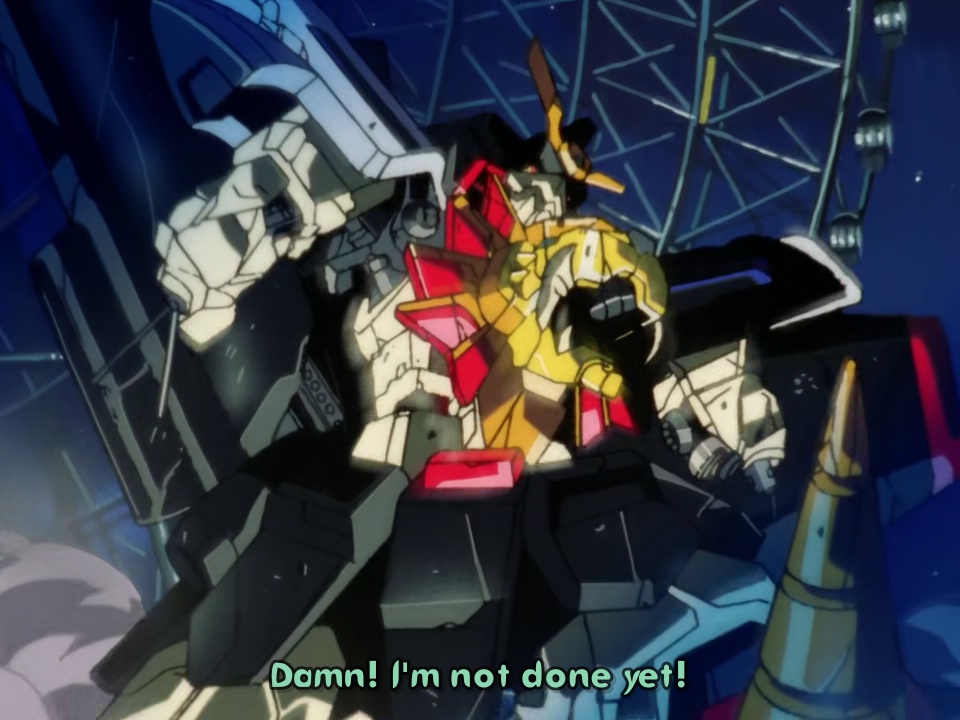
Then on the Super Robot side of the house, normally you take damage pretty regularly because generally your HP is much higher than a Mobile Suit, but still you burn Momentum to avoid high damage attacks. For instance, you may have no issue being hit by a machine gun but you burn Momentum to avoid being hit by a high damage Bazooka, or to pass an Armor Save from a beam rifle. Now you get rewarded for being below 50% HP so it encourages a playstyle where you want to let one of your units dip below 50% HP early to gain VP. This also combo’s well with units who have the Fighting Spirit / Unfaltering Courage pilot traits which historically have been a bit underpowered.
From the attacker’s perspective they want to spread out their attacks to make sure the opponent doesn’t have 50% or more of their units at full HP because that’s a large VP gain every turn. This accomplishes our goal to avoid having all weapons / attacks directed at one target. On the other side the Attacker also wants to avoid dishing out too much damage too early, because as soon as one unit is below 50% HP they are earning VP each turn they are alive. Should you do it in Round 1 the opponent likely has enough momentum to keep them alive for the next couple Rounds. All-in-all it gives a lot of tactical depth for the Attacker and Defender which we are very happy with.
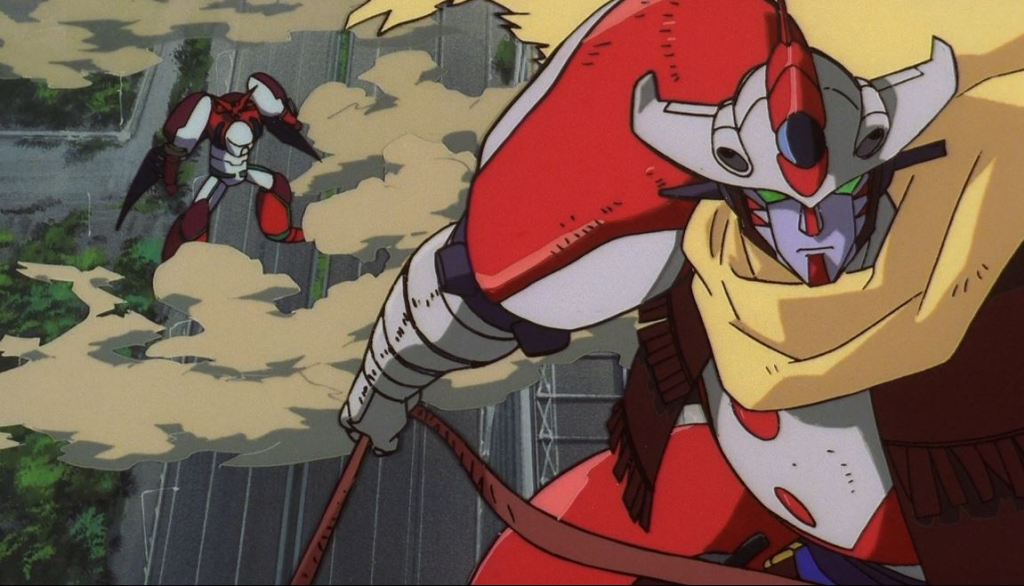
Last but not least the control the battlespace objective is a simple objective that gives the most victory points. It is a King of the Hill style objective where you get a huge VP boost if you control the only unit(s) within 8″ of the center. So as soon as your opponent moves to the center you know you’re going to have to meet them there with at least one of your units. It encourages fighting it out with your opponet instead of castling in your deployment area and taking long range shots. We also recommend making the battlefield center some kind of high ground so there’s some additional risk reward there for standing on top of it.
Thanks for reading! We hope you enjoy the new gameplay updates
 MechaStellar